
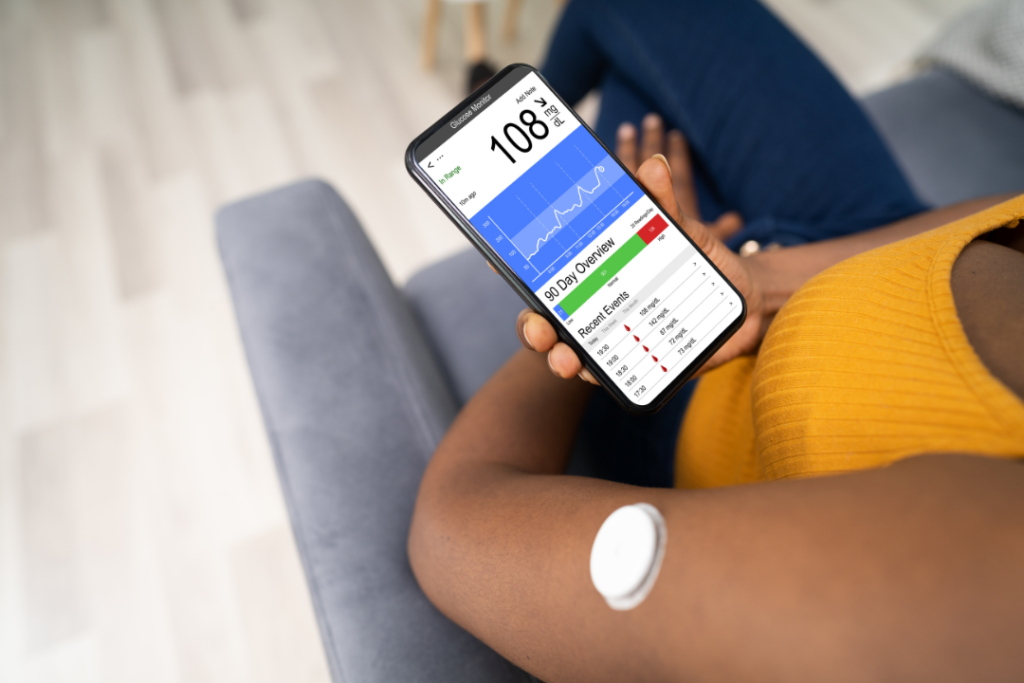
Continuous glucose monitoring (CGM) systems were initially developed for individuals with diabetes mellitus (Type 1). However, these systems are now gaining popularity among athletes and fitness enthusiasts looking to optimize their health and performance. In this comprehensive guide, we will explore the benefits of CGM for athletes, how it works, and how to incorporate it into your training routine. By continuously monitoring your blood glucose levels, you can gain valuable insights into your body’s response to exercise, make informed nutrition choices, and enhance your overall well-being.
What is Continuous Glucose Monitoring?
CGM involves the use of a wearable device that continuously tracks blood glucose levels throughout the day and night. The device consists of a small sensor inserted under the skin, typically on the arm or abdomen, which measures glucose levels in the interstitial fluid. This information is then transmitted to a mobile app or handheld reader, providing real-time feedback on glucose trends and fluctuations. CGM eliminates the need for frequent finger pricks and provides a more comprehensive picture of how your body responds to various factors, such as exercise, diet, and stress.
Benefits of CGM for Athletes
1. Optimizing Energy Levels and Performance
CGM can provide valuable insights into how your body utilizes glucose during exercise. By understanding your glucose levels before, during, and after workouts, you can make informed decisions about fueling strategies. This knowledge allows you to optimize your energy levels, avoid blood sugar crashes, and improve overall performance.
2. Personalized Nutrition Guidance
Monitoring your glucose levels with CGM can help you identify how different foods affect your blood sugar. This information allows you to tailor your diet to support your athletic goals and optimize nutrient timing. By understanding how specific foods impact your glucose levels, you can make informed choices to maintain stable blood sugar and enhance your athletic performance.
3. Enhanced Recovery and Injury Prevention
CGM can help you monitor how well your body recovers after intense workouts or competitions. By tracking glucose levels during the recovery period, you can ensure adequate glycogen replenishment and avoid overtraining. Additionally, fluctuations in glucose levels can indicate potential injury risks, allowing you to take proactive measures to prevent injuries and optimize recovery.
4. Sleep Quality and Overall Well-being
CGM can provide insights into your glucose levels during sleep, helping you understand how your nighttime habits and routines impact your overall health and well-being. By optimizing your sleep quality, you can enhance recovery, support hormonal balance, and improve athletic performance.
Incorporating CGM into Your Training Routine
1. Setting Baselines
Before using CGM to optimize your workouts, establish baseline glucose readings by tracking your levels for a week or two. This will help you understand your body’s typical glucose patterns and how they relate to your daily activities and dietary choices.
2. Experimenting with Nutrition
Utilize CGM data to determine how different foods and meal timings impact your glucose levels. By analyzing this information, you can make adjustments to your diet to maintain stable blood sugar levels and optimize performance.
3. Monitoring Exercise Response
Track your glucose levels during different types of workouts, such as strength training, cardio, or high-intensity interval training (HIIT). This information can help you determine the optimal intensity and duration of your workouts, as well as the ideal pre- and post-workout nutrition strategies.
4. Adjusting Recovery Periods
By monitoring your glucose levels after exercise, you can identify the appropriate recovery time for your body. Adequate rest and recovery are crucial for optimizing performance and preventing injuries. Consider incorporating active recovery techniques, such as yoga or light stretching, to aid in the recovery process.
5. Utilizing Professional Guidance
Consult with a healthcare professional or sports nutritionist experienced in CGM data interpretation. They can provide personalized recommendations based on your unique glucose responses and help you fine-tune your nutrition and training strategies for optimal results.
Is CGM Right for You?
While CGM can offer valuable insights and benefits for athletes, it’s important to consider individual needs and preferences. CGM may be particularly beneficial for endurance athletes, intermittent sprint athletes, and those seeking to optimize their nutrition and recovery strategies. However, it’s crucial to consult with a healthcare professional to determine if CGM is suitable for your specific circumstances and goals.
Conclusion
Continuous glucose monitoring (CGM) technology has the potential to revolutionize the way athletes approach their nutrition, training, and recovery. By gaining real-time insights into your glucose levels, you can optimize your energy levels, make informed nutrition choices, and enhance your overall athletic performance. Incorporating CGM into your training routine can provide valuable data to fine-tune your strategies and achieve optimal results. However, it’s important to work closely with healthcare professionals to interpret the data, personalize recommendations, and ensure the safety and effectiveness of CGM for your unique needs. Embrace the power of CGM and unlock your full athletic potential.