

Image Source: FreeImages
Introduction
In recent years, medical professionals have discovered the remarkable potential of platelet-rich plasma (PRP) therapy to harness the body’s natural healing abilities. PRP therapy is a form of regenerative medicine that utilizes concentrated platelets from a patient’s own blood to accelerate tissue repair and promote overall healing. While controversial, PRP therapy has gained popularity in various fields, including sports medicine and dermatology. This article aims to provide a comprehensive overview of PRP therapy, its applications, benefits, risks, and the procedure involved.
What is Platelet-Rich Plasma (PRP)?
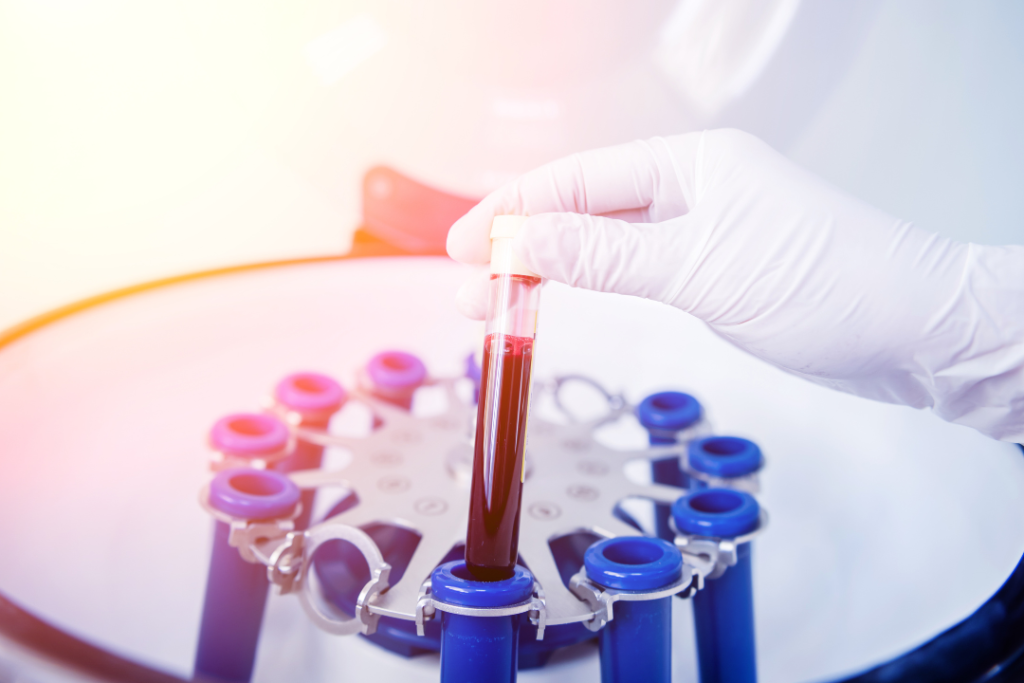
Platelet-rich plasma (PRP) is derived from a patient’s blood and contains a high concentration of platelets. Platelets are blood cells responsible for clotting and releasing growth factors and proteins that support cell growth and tissue healing. PRP therapy involves extracting a blood sample from the patient, processing it in a centrifuge to separate the platelets, and then injecting the concentrated platelets directly into the affected area.
Understanding the Science behind PRP Therapy
PRP therapy works by delivering a concentrated dose of growth factors and proteins to the injured or damaged tissue. These growth factors stimulate the body’s natural healing response, promoting the formation of new cells and tissues. The platelets released during the therapy activate various cells required for tissue healing and initiate the production of proteins necessary for regenerative processes.
Applications of PRP Therapy
Musculoskeletal Problems
PRP therapy has been increasingly used in sports medicine to treat a wide range of musculoskeletal problems. Athletes suffering from injuries such as tendonitis, ligament tears, and muscle strains have reported positive outcomes with PRP injections. Studies have shown that PRP therapy can significantly reduce pain, improve function, and promote tissue healing in these conditions.
Tissue Healing
PRP therapy has also shown potential in promoting tissue healing. It has been used to treat chronic conditions such as chronic patellar tendinopathy, where multiple rounds of PRP injections have been found to reduce symptoms and improve healing. Additionally, PRP therapy has been explored for its potential benefits in bone healing, although further research is needed to establish its efficacy in this area.
Inflammation Reduction
While controversial, PRP therapy has been used to reduce inflammation in conditions such as osteoarthritis (OA) and rheumatoid arthritis. Some studies suggest that PRP injections can help reduce pain and improve joint function in individuals with OA. However, medical organizations such as the American College of Rheumatology (ACR) and the Arthritis Foundation (AF) currently discourage the use of PRP for knee or hip OA.
The PRP Therapy Procedure
The procedure for PRP therapy involves several steps:
- Blood Sample Collection: A small sample of the patient’s blood is drawn, typically from the arm.
- Centrifugation: The collected blood sample is placed in a centrifuge, which spins at high speeds to separate the different components of the blood.
- Platelet Concentration: The centrifuge separates the platelets from other blood components, resulting in platelet-rich plasma.
- Preparation for Injection: The platelet-rich plasma is prepared for injection by extracting the concentrated platelets and preparing them for administration.
- Injection: The prepared platelet-rich plasma is injected directly into the affected area, guided by ultrasound imaging for accuracy.
Safety and Risks of PRP Therapy
PRP therapy is generally considered safe, as it utilizes a patient’s own blood components, reducing the risk of allergic reactions or cross-infection. However, like any medical procedure, there are potential risks involved. These include minor bleeding, pain at the injection site, tissue damage, and the rare possibility of infection. It is crucial to discuss potential risks with a healthcare professional before undergoing PRP therapy.
The Cost of PRP Therapy
The cost of PRP therapy can vary depending on various factors, including location, facilities, and the expertise of the healthcare professional performing the treatment. On average, a single PRP treatment can range from $500 to $2,500 (about the same in Euro comparatively). It is important to note that most insurance plans do not provide coverage for PRP therapy.
Conclusion
Platelet-rich plasma (PRP) therapy holds great potential in accelerating healing and promoting tissue repair. While its applications and benefits are still being explored, PRP therapy has shown promising results in treating musculoskeletal problems, and aiding tissue healing. However, it is essential to consult with a healthcare professional to determine if PRP therapy is suitable for your specific condition. Future research and standardization of PRP therapy protocols will continue to enhance our understanding of this innovative treatment modality.