
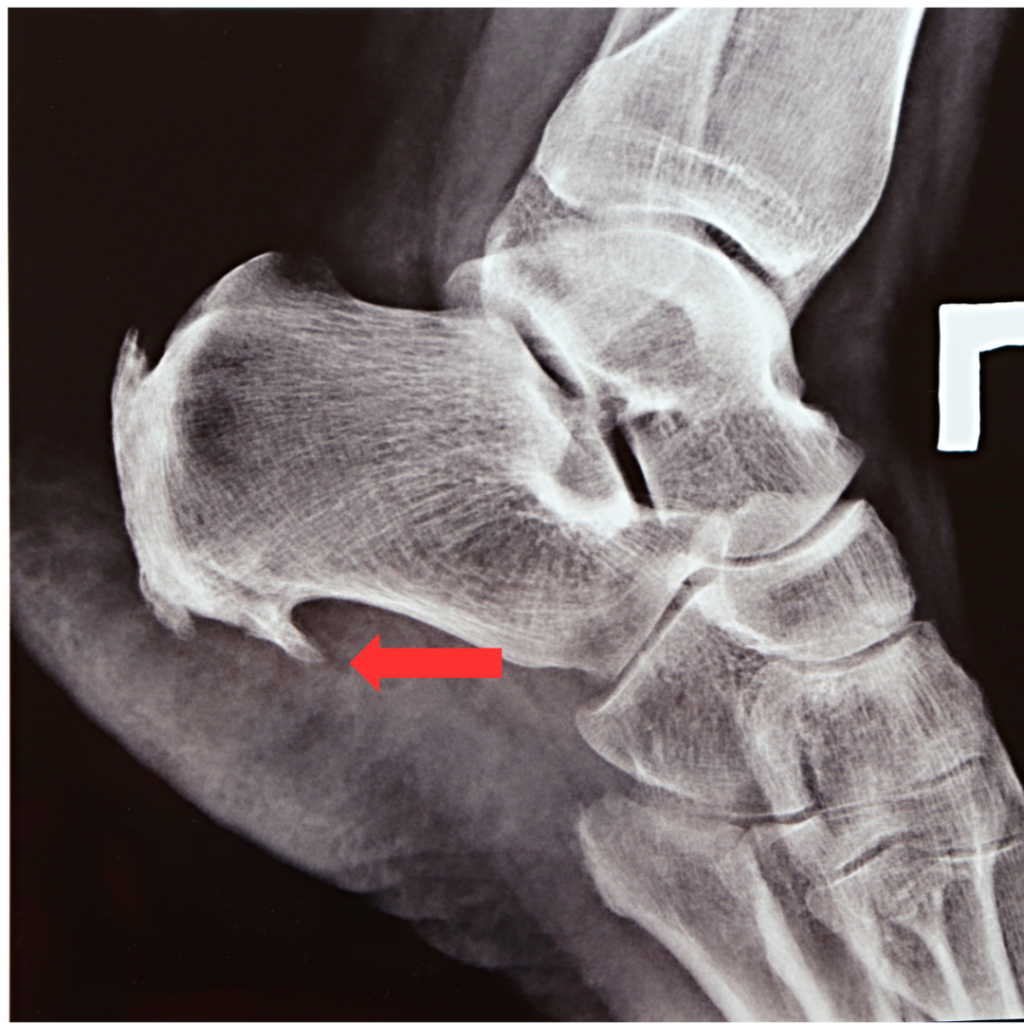
Imagine you had a fantastic night sleep on an amazing mattress that you bought after reading my last article. So you sit up on the side of your bed ready to tackle the day and you stand up and take that first step and you feel as if you stepped on a Lego. That’s not the start of the day that you had imagined and every subsequent step after that is sheer agony as you feel that sharp pain penetrating your foot and waking you up better than a cup of coffee ever could. So then you grab your phone and ask Dr. Google about the pain in your foot and you’re left with two choices bone spurs or plantar fasciitis which both sound very grim. So if you’re currently experiencing heel pain, you may be wondering if it’s a bone spur or plantar fasciitis causing your discomfort. In this article, we’ll explore the differences between these two conditions and discuss what steps you can take to find relief.
Understanding Bone Spurs and Plantar Fasciitis
Before we dive into the differences between bone spurs and plantar fasciitis, let’s first understand what these conditions are. A bone spur, also known as a heel spur, is a bony growth that forms on the heel bone. It usually develops in response to long-term inflammation and irritation. On the other hand, plantar fasciitis is a common condition that occurs when the thick band of tissue on the bottom of the foot, called the plantar fascia, becomes inflamed. Both conditions can cause intense heel pain, but the underlying causes and treatments differ.
Differentiating Between Bone Spurs and Plantar Fasciitis
Differentiating between bone spurs and plantar fasciitis can be challenging, as they often occur together. However, there are some key differences to look out for. Bone spurs are visible on X-rays and can sometimes be felt as a hard lump on the heel. The pain from a bone spur is usually sharp and localized, felt directly on the heel. On the other hand, plantar fasciitis pain is typically described as a dull ache or a burning sensation. It is often worse in the morning and improves with movement.
Common Causes of Heel Pain
Now that we understand the basics of bone spurs and plantar fasciitis, let’s explore the common causes of heel pain. One of the primary causes is repetitive stress on the feet, such as excessive running or jumping. Other factors include wearing ill-fitting shoes, obesity, and having high arches or flat feet. Additionally, age can play a role in the development of these conditions, as the natural wear and tear on the feet over time can lead to inflammation and pain.
Symptoms of Bone Spurs and Plantar Fasciitis
Recognizing the symptoms of bone spurs and plantar fasciitis is crucial in determining the best course of treatment. Symptoms of a bone spur include localized pain on the heel, tenderness, and swelling. Some people may also experience a visible bony protrusion on the heel. In contrast, plantar fasciitis symptoms include pain on the bottom of the foot near the heel, especially when taking the first steps in the morning or after a period of rest. The pain may also worsen after prolonged standing or physical activity.
Diagnosing Bone Spurs and Plantar Fasciitis
If you suspect you have a bone spur or plantar fasciitis, it’s important to consult with a healthcare professional for an accurate diagnosis. They will likely perform a physical examination of your foot, checking for tenderness and any visible signs of a bone spur. X-rays may also be ordered to confirm the presence of a bone spur. For plantar fasciitis, your doctor may perform a “windlass test” to evaluate the tension in the plantar fascia. In some cases, an MRI or ultrasound may be recommended to assess the extent of the inflammation.
Treatment Options for Bone Spurs and Plantar Fasciitis
Now that you have a better understanding of your condition, let’s explore the treatment options available for bone spurs and plantar fasciitis. In mild cases, non-surgical treatments are often recommended. These include rest, ice, compression, and elevation (RICE), as well as over-the-counter pain medications to alleviate inflammation. Physical therapy exercises that stretch and strengthen the plantar fascia may also be prescribed. Additionally, insoles for your shoes, heel pads or memory foam shoes, can provide support and reduce pressure on the affected area.
Natural Remedies for Relieving Heel Pain
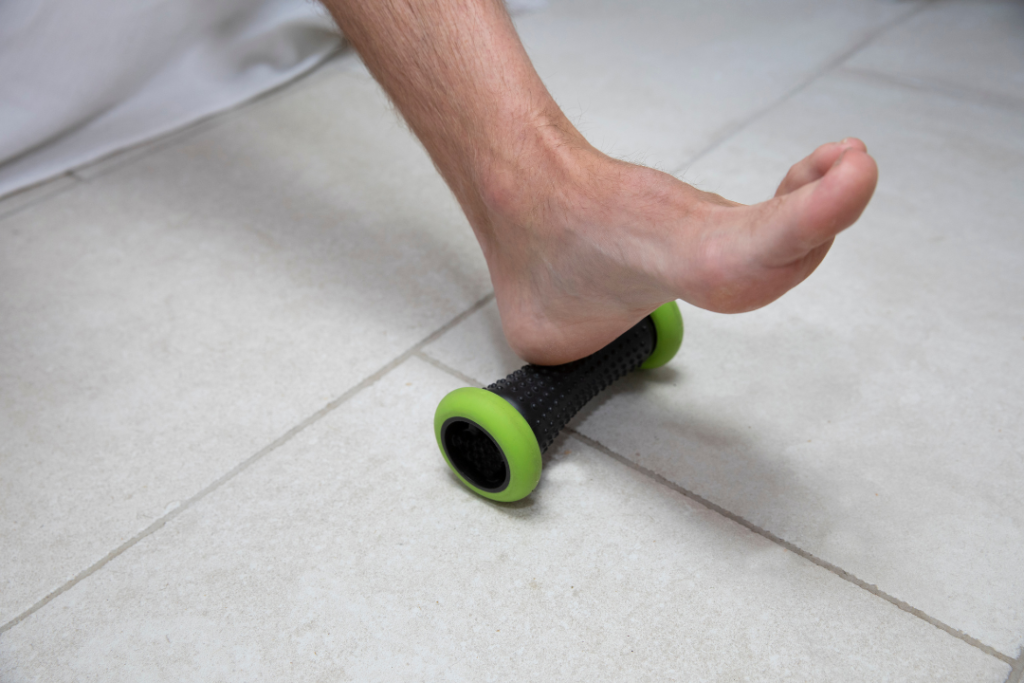
In addition to conventional treatments, there are several natural remedies that can help relieve heel pain. One such remedy is stretching exercises, which can increase flexibility and reduce tension in the plantar fascia. Massaging the affected area with essential oils, such as peppermint or lavender, can also provide temporary relief. Applying ice packs or using frozen water bottles to roll your foot over can help reduce inflammation. Additionally, maintaining a healthy weight and wearing supportive shoes with proper arch support can minimize strain on the feet.
Preventing Bone Spurs and Plantar Fasciitis
Prevention is always better than cure, so let’s discuss some measures you can take to prevent bone spurs and plantar fasciitis. Firstly, wearing appropriate footwear that provides good arch support and cushioning is essential. Avoid high heels and shoes that are too tight or too loose. Maintaining a healthy weight can also reduce stress on the feet. It’s important to gradually increase the intensity and duration of physical activities to avoid overworking the feet. Lastly, stretching the calf muscles regularly can help prevent tightness in the plantar fascia.
When to See a Doctor for Heel Pain
While many cases of heel pain can be managed with conservative treatments, there are instances where medical attention is necessary. If your heel pain is severe and persistent, or if it significantly affects your daily activities, it’s time to see a doctor. Additionally, if you have diabetes or any other medical condition that affects circulation or sensation in your feet, it’s important to seek medical advice promptly. Your doctor can provide a proper diagnosis and guide you towards the most appropriate treatment plan.
Some of the things that I do when patients come in with this are definitely not pleasant but they are very effective in relieving the pain and getting the situation under control. My experience is that these problems lead to other problems in the knees hips and lower back due to walking in an incorrect away in order to avoid the pain in the foot and those problems can be severe and very expensive to fix. Plus who wants to start the day off and read every single step that they take.
Some of the things I do include using professional massage machines (my Theragun) to loosen up the tissue under the foot and provide focal relief, using instruments to break up adhesions and scar tissue on the bottom of the foot. Those treatments commonly known as Graston or FAKTR (IASTM instrument assisted soft tissue mobilization) and lastly muscle and tendon treatments by hand. Then I send patients for further evaluation with a trusted foot specialist who makes custom insoles for the shoes and provide some with fantastic advice about what shoes to get.
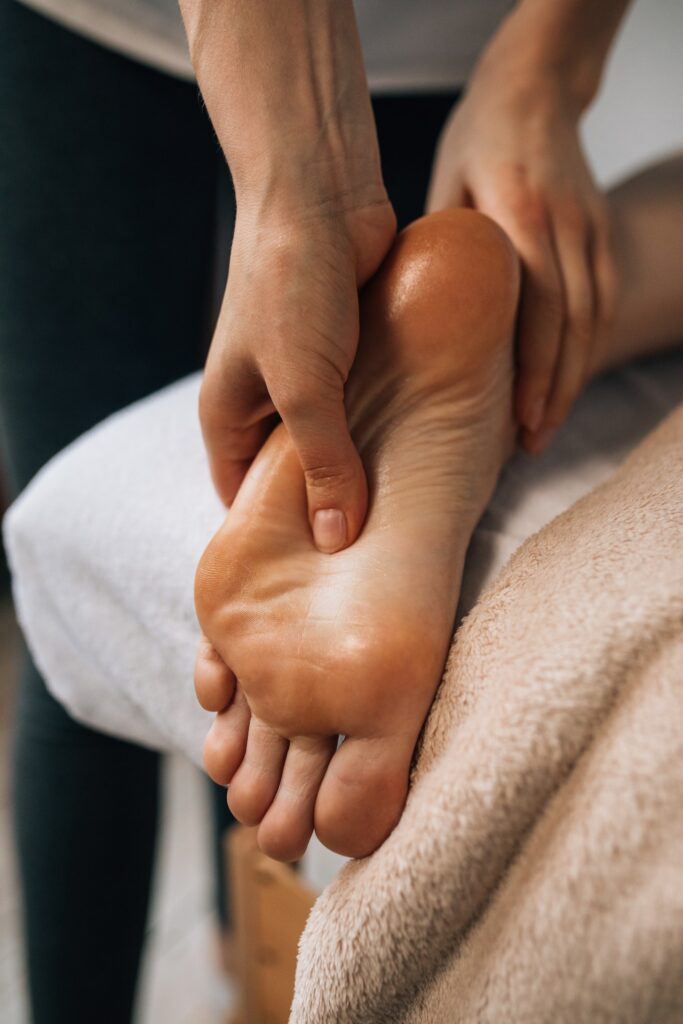
Photo by KoolShooters : https://www.pexels.com/photo/a-person-having-a-foot-massage-6628700/
These treatments are very effective in the management of plantar fasciitis but are less effective with an actual bone spur in the heel but they can provide relief in a non-surgical way. Surgery is the last option you want for a bone spur plantar fasciitis because of the risk of nerve damage and chronic pain in the foot, risk of infection, recovery time, and percentage of patients that actually get better is not fantastic in my opinion.
Other nonsurgical options to consider with an actual bone spur are shockwave treatments which will require several sessions. Shockwave uses mechanical impulse in high frequency shockwaves two break up calcium formations where are the plantar fasciitis comes together with the calcaneus (Heel bone). There are some therapist that use ultrasound to treat the bone spurs but in clinical practice I don’t believe it is extremely effective in and has long-term success. Just so you know shockwave treatments will hurt and they will be post treatment pain in the bone itself. I say this from personal experience.
Conclusion: Taking Care of Your Feet
In conclusion, heel pain can be a debilitating condition, but with the right knowledge and treatment, relief is possible. Whether you’re dealing with a bone spur or plantar fasciitis, understanding the causes, symptoms, and treatment options is crucial. By taking preventive measures, such as wearing proper footwear and maintaining a healthy lifestyle, you can reduce your risk of developing these conditions. Remember, if you’re experiencing severe or persistent heel pain, don’t hesitate to seek medical attention. Your feet deserve the best care, so take the necessary steps to keep them happy and pain-free. Happy feet aren’t just for penguins (movie reference).